 rede caka
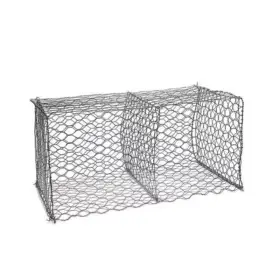
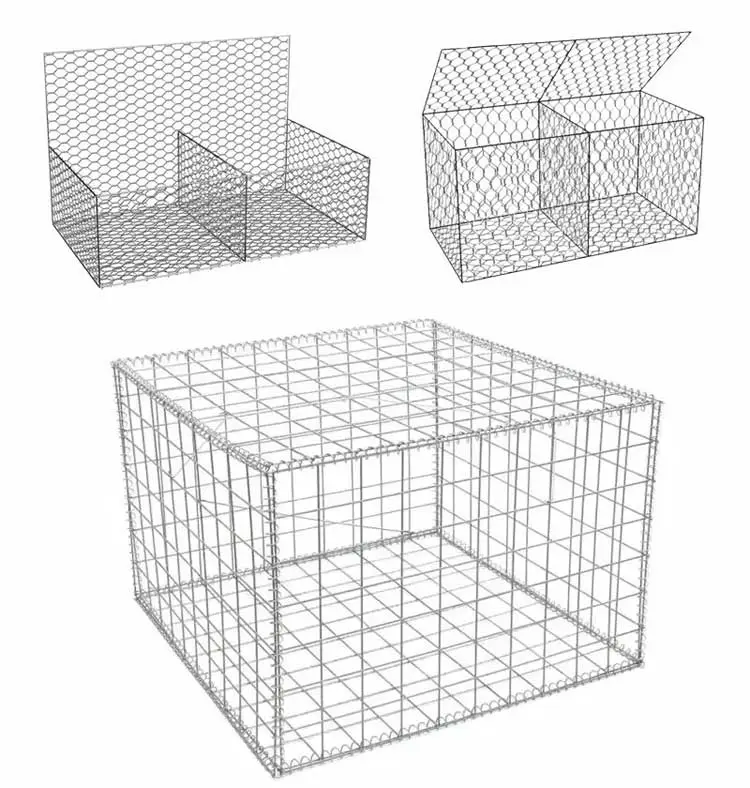
1. Na cava na rede ni gabion?
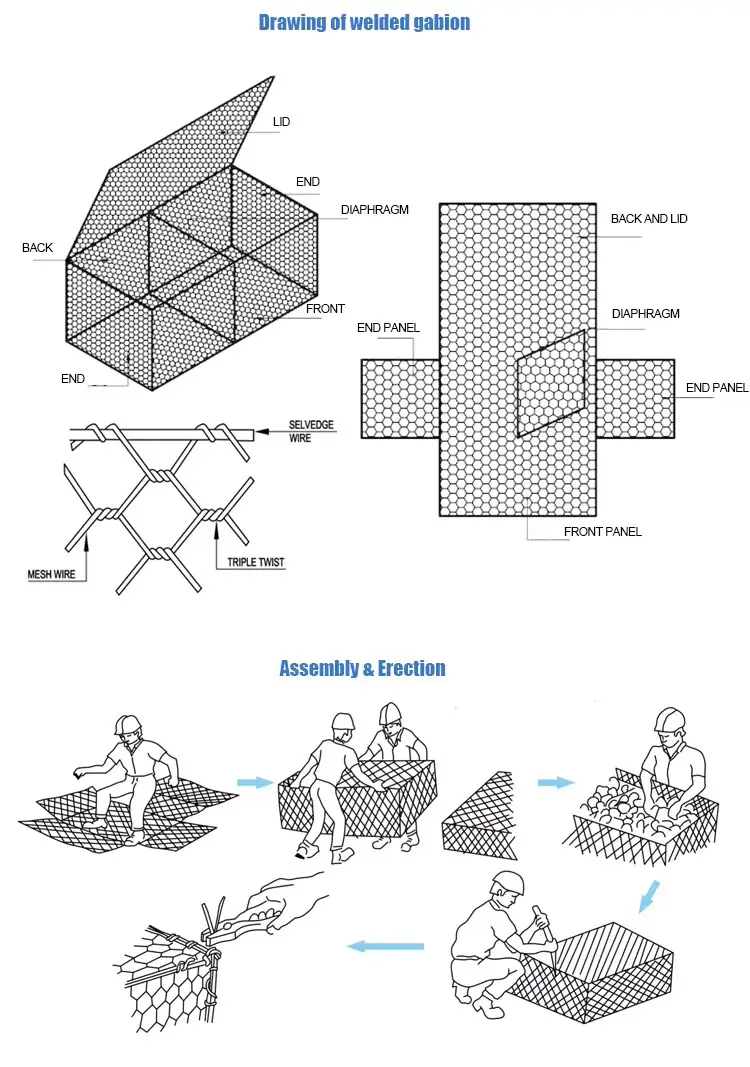
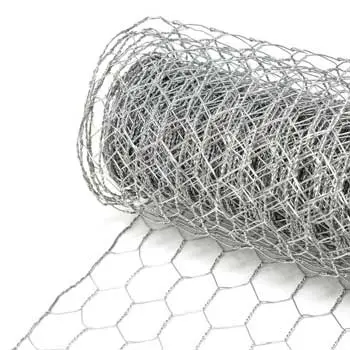
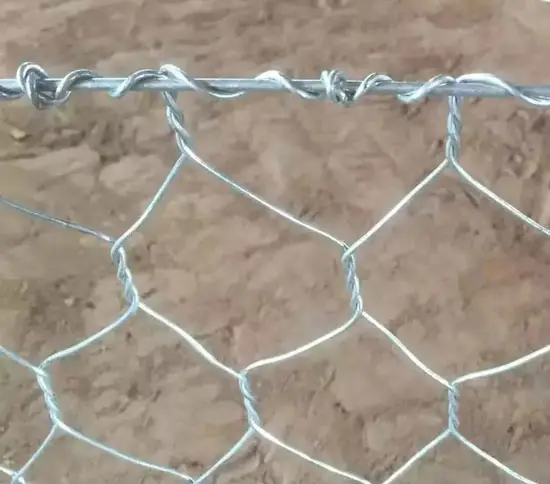
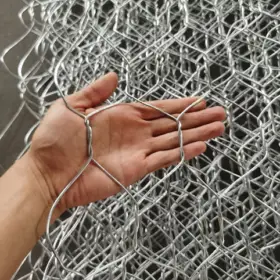
Na rede ni Gabion e dua na isema ni rede hexagonal e tali mai na misini mai na ua kaukamea me vaka na ua kaukamea lailai-kaboni ., waya kaukamea cecere, kei Kalifani (zinc-aluminiumi) waya sitila. E dau caka ena fomu me vaka na kato ni rede ., Pad ni rede, kei na rede. Ni vakayagataki, it is filled with hard materials such as stones and pebbles inside to form a structural body with protective and reinforcing functions. Its core features are strong flexibility, good water permeability, high durability, and the ability to blend in with the natural environment.
2. What are the differences between gabion mesh and ordinary wire mesh?
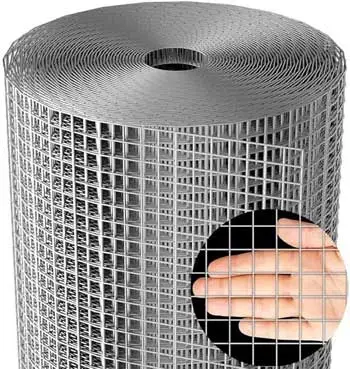
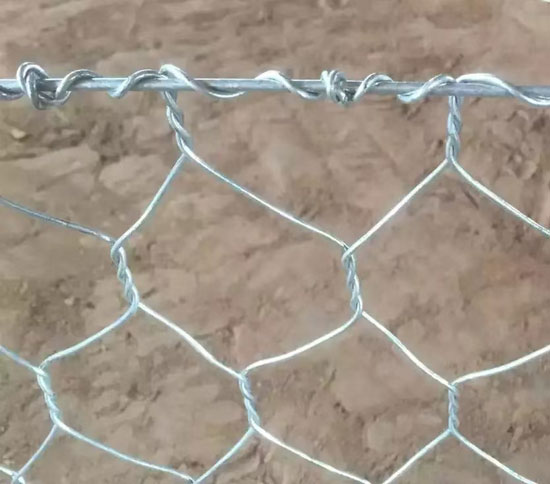
The structure is different: Gabion nets are mostly hexagonal double-twisted structures, which have stronger tensile and deformation resistance. Ordinary wire mesh is mostly simply woven or welded, and its structural stability is relatively poor. Different uses: Gabion mesh is mainly used for engineering protection (such as bank protection and retaining walls), and it needs to be filled with stone materials. Ordinary wire mesh is mostly used for fences, isolation, etc., and does not require filling materials. Different durability: Gabion mesh is mostly treated with galvanization or plastic coating, which has strong corrosion resistance and a service life of 20 to 50 years. The anti-corrosion treatment of ordinary wire mesh is relatively simple and its service life is short.
3. What are the commonly used materials for gabion mesh? What are their respective characteristics?
Hot-dip Galvanized Steel Wire: The surface of the steel wire is galvanized, which has strong corrosion resistance and is suitable for damp or slightly saline-alkali environments (such as river channels and highway slopes).
Kalivani (zinc-aluminiumi) Steel Wire: With a zinc-aluminum alloy coating, its corrosion resistance is superior to that of pure galvanizing. It is suitable for strong corrosive environments such as coastal areas and high-salinity and high-alkali environments (such as coastal revetments and tailings ponds).
PVC Coated Steel Wire: The surface of galvanized steel wire is covered with PVC or PE coating, which not only has anti-corrosion and aesthetic properties, but is also suitable for municipal landscapes, wetlands and other scenarios with appearance requirements.