 madein malla

Ar guía esencial pa malla alambre soldada ko autógena: ndu nzafi, Versatilidad, ne nt'ot'e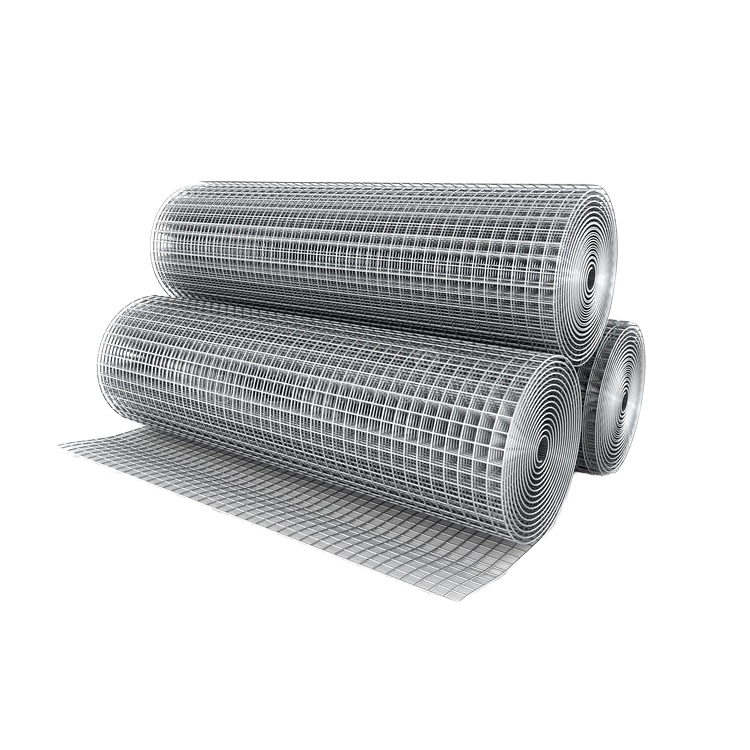
Malla ar alambre ko autógena, 'nar hñei industrial xi hño ne altamente versátil, xi diseñado ya soldadura precisa ga̲tho intersectando ya alambres ja yá puntos contacto. Nuna ar proceso crea 'nar rejilla resistencia uniforme ne regularidad, distinguiendo nä'ä ar alternativas tejidas. Principalmente fabricado ar alambre asero hñets'i'i jar carbono , asero inoxidable, wa alambre galvanizado, 'nehe to da fabricado a partir de materiales komongu ar asero revestido PVC wa aluminio pa ndu específicas. Ar soldadura ar realiza normalmente utilizando soldadores ar resistencia eléctrica automatizados, asegurando consistencia ne producción mar hñets'i volumen.
Características clave ne ventajas
Popularidad malla alambre ko autógena proviene 'nar combinación njapu'befi estructurales ne prácticos:
mextha resistencia ne rigidez: Ya uniones soldadas ko autógena bloquean ya cables jar lugar , creando 'nar rígido, Panel hindi flexión nä'ä to soportar cargas significativas ne estrés hinda deformación. 'Me̲hna bí thogi ar ideal pa aplicaciones estructurales.
Uniformidad ne precisión: Hmu ar rejilla ar consistente, ko apertura precisa (apertura) tamaños ne diámetros alambre. Xí previsibilidad ar crucial pa clasificar, screening, ne usos arquitectónicos.
Durabilidad: Dependiendo de ar hñei, ofrece excelente resistencia ar desgaste, impacto, ne factores ambientales. Malla soldada ko autógena galvanizada (ko 'nar capa zinc) proporciona resistencia ar corrosión mäs xi ngu da njapu'befi ar ndähi mpe̲fi ne industrial.
versatilidad jar diseño: to da producido ja 'nar nt'ot'e ho 'bui ndunthe gama especificaciones: calibre alambre (espesor), tamaño malla (dimensiones ar abertura), tamaños ar panel, ne longitudes rollo. 'me̲hna permite ar personalización ya requisitos exactos ar 'be̲fi.
facilidad instalación: ya paneles ya planos ne ar xi tu̲ki rápidamente, dets'e̲, and installed using simple tools—tying, clipping, or even welding them into place.
Common Types and Materials
Electro-Galvanized Welded Mesh: Features a thin zinc coating applied after welding. Suitable for indoor use or mild environments where rust prevention is a minor concern.
Hot-Dip Galvanized Welded Mesh: Immersed in molten zinc after welding, providing a thick, durable coating that offers long-term corrosion protection for fencing, cages, and agricultural use.
Stainless Steel Welded Mesh: Made from 304 or 316 asero inoxidable, this type delivers exceptional corrosion resistance, hygiene, and strength. It is essential for food processing, chemical industries, marine environments, and architectural accents.
PVC-Coated Welded Mesh: A steel wire mesh coated with a layer of polyvinyl chloride (PVC), usually in green or black. The coating adds an extra layer of protection against corrosion and provides a more aesthetically pleasing finish for fencing, partitions, and animal enclosures.
Primary Applications Across Industries
Welded wire mesh is ubiquitous in modern infrastructure and manufacturing:
- Construction & Concrete Reinforcement:
Tejido alambre soldado ko autógena (WWF) or Mesh Sheets: Laid within concrete slabs (floors, pavements, foundations) to control cracking, increase tensile strength, and distribute loads evenly.
- Fencing, Ntsuni , and Enclosures:
Perimeter fencing for industrial sites, schools, and residential properties.
Animal cages and pens in agriculture and zoos.
Security screens for windows and doors.
Machine guards and safety partitions in factories.
- Industrial and Storage Solutions:
Storage Racks and Shelving: Used as decking for pallet racks and shelving units.
Partitions and Cages: For secure storage, lockers, and material segregation.
Gabions: Large, modular cages filled with stone used for erosion control, retaining walls, and landscaping.
- Agricultural and Horticultural:
Tree Guards and Plant Supports: Protects saplings and supports climbing plants.
Poultry and Animal Cages: Including rabbit hutches and aviaries.
Compost Bins and Gardening Screens.
- Infrastructure and Civil Engineering:
Reinforcement in drainage systems and culverts.
Rockfall and slope stabilization nets.
Reinforcement for roads and pipelines.
- Other Specialized Uses:
Architectural Mesh: Used as decorative cladding, balustrades, and sunscreens for modern buildings.
Shopping Carts and Baskets.
Filters and Sieves in various processing industries (size and material dependent).
Selection Considerations
Choosing the right welded wire mesh involves evaluating several factors:
Material and Coating: Determine the required level of corrosion resistance based on the environment (indoor, outdoor, harsh chemical exposure).
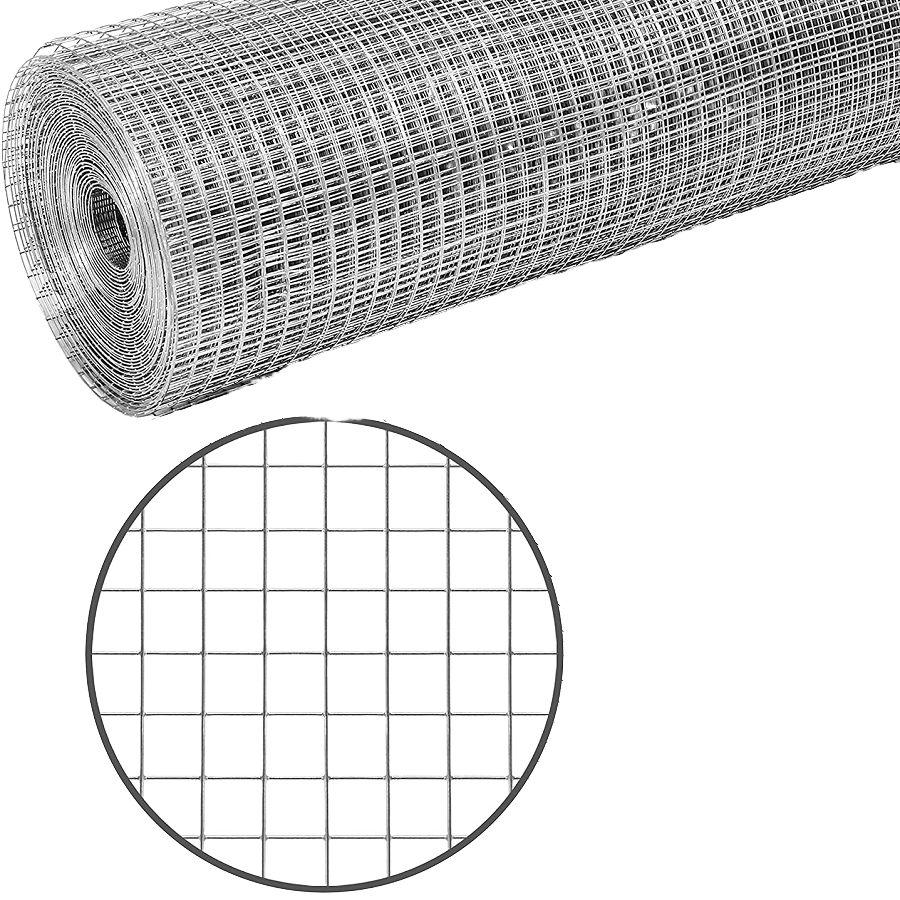
Mesh Size (Aperture): The size of the openings, which affects visibility, flujo ndähi, material passage, and security level.
Wire Diameter (Gauge): Thicker wires provide greater strength and rigidity.
Panel Size and Format: Available in flat sheets or rolls, with custom dimensions often available.
Njäts'i nu'bu
Welded wire mesh is an indispensable engineered product that combines simplicity of design with remarkable functional strength. Its adaptability across countless sectors—from reinforcing skyscrapers and highways to securing backyards and supporting agriculture—highlights its fundamental role in construction, industry, and daily life. Understanding its properties, types, and applications allows for the specification of the optimal mesh solution, asegurando ar rendimiento, durabilidad, ne rentabilidad pa 'na 'be̲fi.