 madein malla

'Nar era sistemas ja ya jä'i ne tecnología inteligente, 'na ndi suponer da humilde alambre de púas xi sobrevivido ár utilidad. Tobe, Nuna ar invención je̲ya antiguo continúa desempeñando 'nar he̲'mi crítico ne evolutivo a través de ya industrias modernas, demostrando ke ar verdadera innovación ya 'nandi reside jar perfeccionar fundamentos en lugar de de̲ni novedad.
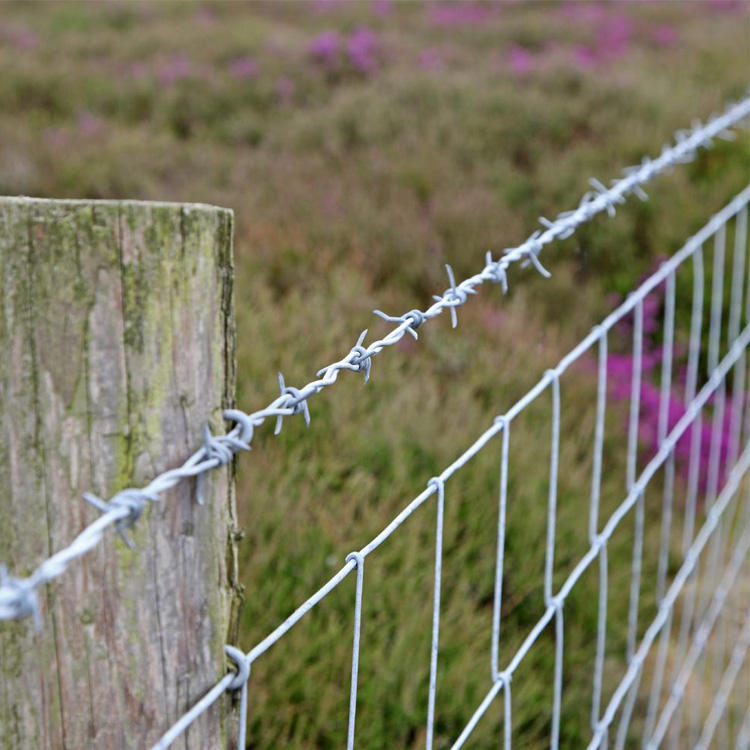
'Nar legado ar resiliencia
'Me̲t'o patentado finales ar 'nanthebe je̲ya 19, alambre de púas revolucionó gestión ar ximha̲i proporcionando 'nar asequible, njäts'i durable pa demarcar ntsoni ne da contiene ar ganado. Nu'bya, ár ndui central permanece hinda cambios, pe yá aplicaciones ar xi expandido dramáticamente. Ndezu̲ ar ntsuni perimetral ja ya instalaciones sensibles asta gestión ar fauna jar áreas conservación, eficacia alambre púas radica jar elegante ár simplicidad: 'nar disuasión física ar tanto visible ne funcional.
Ingeniería tso̲ho̲ ko practicidad
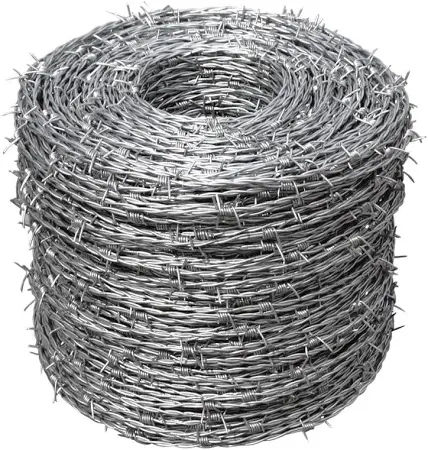
Ar alambre de púas moderno xi na ya'bu̲ yá xita rudimentarios. Contemporary manufacturing processes utilize high-tensile, galvanized steel or even stainless-steel wire for maximum corrosion resistance. The barbs themselves are precision-formed and strategically spaced to optimize deterrence while minimizing material use. Many variants now feature a rugged PVC or polyethylene coating in green or black, enhancing longevity and allowing the wire to blend into natural or industrial landscapes. These coatings can extend a product’s service life to several decades, even in harsh weather conditions.
Versatility in Application
The primary strength of barbed wire is its adaptability. In agriculture, it remains indispensable for creating secure paddocks, protecting crops from large wildlife, and reinforcing field boundaries. For industrial and institutional security, it is often deployed as a key component of perimeter fencing—either as a standalone barrier or as a topping on chain-link or welded mesh fences to discourage climbing. In settings ranging from warehouses and utility substations to correctional facilities and national borders, barbed wire serves as a cost-effective first line of defense.
Sustainability and Cost-Effectiveness
In a world increasingly conscious of resource use and long-term value, barbed wire offers significant advantages. Its production has a relatively low environmental footprint compared to more complex electronic systems. Once installed, it requires minimal maintenance—no power, software updates, or specialized technicians are needed. For securing large areas of land, few solutions can match its favorable balance of upfront cost, durabilidad, and ongoing operational simplicity.
Looking Forward
While new technologies will continue to emerge, barbed wire’s place in the security and agricultural ecosystem is secure. Its future lies in smarter integration—combined with motion sensors or CCTV for layered security, or used in specialized alloys for extreme environments. It stands as a testament to the enduring power of a well-executed, simple idea.
For landowners, security managers, and agricultural professionals, barbed wire is not a relic of the past, but a proven and reliable tool for the present and future. It is the unsung guardian, quietly and efficiently performing its duty across countless miles of fence lines worldwide.
Suggested Keywords for SEO: Alambre púas, Security Fencing, Agricultural Fencing, Perimeter Security, High-Tensile Wire, Galvanized Steel Fence, Cost-Effective Fencing, Valla me̲ti, Esgrima industrial, Soluciones cercas duraderas.