 lavet i mesh

Section 1: The Advantages of Aluminum over Steel
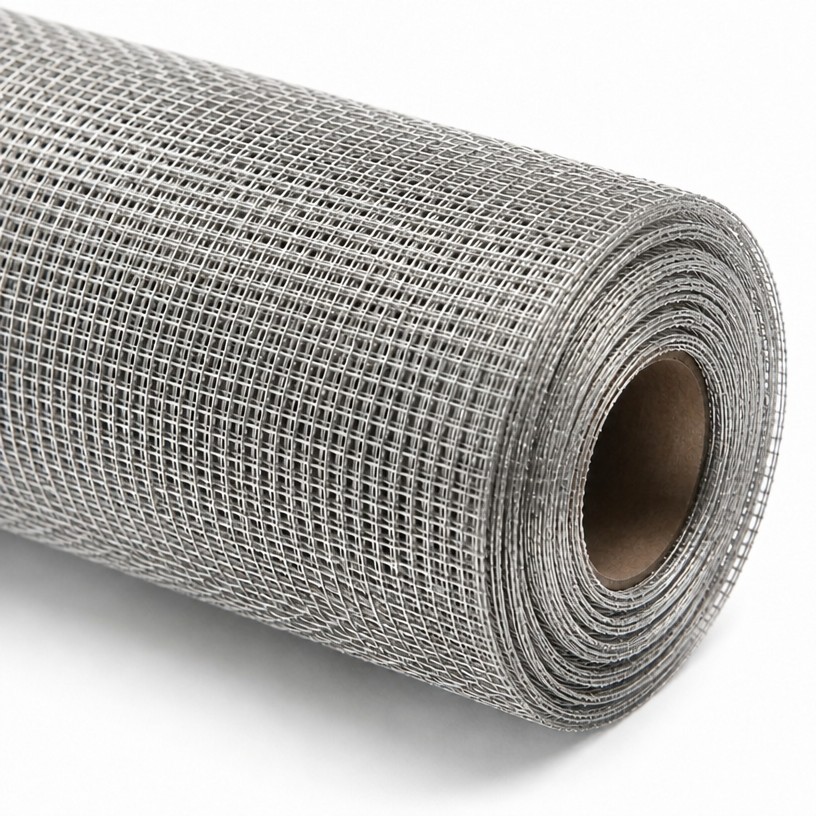
Aluminum wire mesh is often favored over stainless steel or galvanized steel in specific industrial applications due to its unique combination of properties. The most significant advantage is its weight; aluminum is approximately one-third the weight of steel, making it ideal for applications where overall structural weight must be minimized without sacrificing durability. Furthermore, aluminum naturally forms a protective oxide layer when exposed to air, providing excellent corrosion resistance even without additional coatings. Unlike carbon steel, aluminum does not rust, which is vital for long-term outdoor or humid environment use.
Section 2: Alloy Breakdown: 1050, 5052, og 6061
The performance of aluminum wire mesh is heavily influenced by the specific alloy used in the wire drawing process.
– 1050 Aluminum: This is a commercially pure alloy (99.5% Al). It offers the highest electrical and thermal conductivity but has lower mechanical strength. It is often used in chemical processing equipment where high purity is required.
– 5052 Aluminum: Known as the “marine grade” aluminum, 5052 contains magnesium as its primary alloying element. It is celebrated for its exceptional resistance to saltwater and marine atmospheres. It also has high fatigue strength, making it suitable for environments prone to vibration.
– 6061 Aluminum: A precipitation-hardened alloy containing magnesium and silicon. 6061 is the most versatile of the heat-treatable alloys. While its corrosion resistance is slightly lower than 5052, it offers significantly higher structural strength, making it the alloy of choice for heavy-duty industrial screens.
Section 3: Physical Properties: Conductivity and Beyond
Beyond its corrosion resistance, aluminum’s thermal and electrical conductivity are standout features. Aluminum wire mesh is frequently used in heat exchangers and cooling systems because it can efficiently dissipate heat. In electrical applications, its conductivity allows it to serve as an effective material for grounding and electromagnetic interference (EMI) shielding, particularly in aerospace where every gram of weight saved is critical.
Section 4: Fabrication Patterns: Plain vs. Twill vævning
Aluminum wire mesh is typically produced in two primary weaving patterns:
– Plain Weave: This is the most common pattern where each warp wire crosses alternately over and under each shute wire. It provides a consistent opening size and is easy to work with for standard filtration and screening tasks.
– Twill vævning: In this pattern, each shute wire passes alternately over and under two warp wires. This allows for the use of heavier wire diameters in a given mesh count, resulting in a mesh that is more flexible and has greater strength. Twill weave is often used when a high degree of filtration precision is required alongside physical robustness.
Section 5: Aerospace and Marine Industry Applications
The aerospace industry utilizes aluminum wire mesh for light-weight structural components, ventilation screens, and lightning strike protection for composite aircraft skins. In the marine sector, the use of 5052 alloy mesh is standard for seawater intake filters, offshore platform safety guards, and internal ship components where weight and salt resistance are the primary concerns.
Section 6: Arkitektoniske og dekorative anvendelser
In recent years, architects have turned to aluminum wire mesh for its aesthetic and functional qualities. It is used for building facades, loftspaneler, and sunshades. The material’s ability to be anodized in a wide range of colors allows designers to achieve specific visual effects while benefiting from the material’s longevity and low maintenance requirements. Aluminum mesh provides a modern, industrial look that is both stylish and sustainable.