 製造網
製造網

部分 1: The Evolution of Industrial Storage
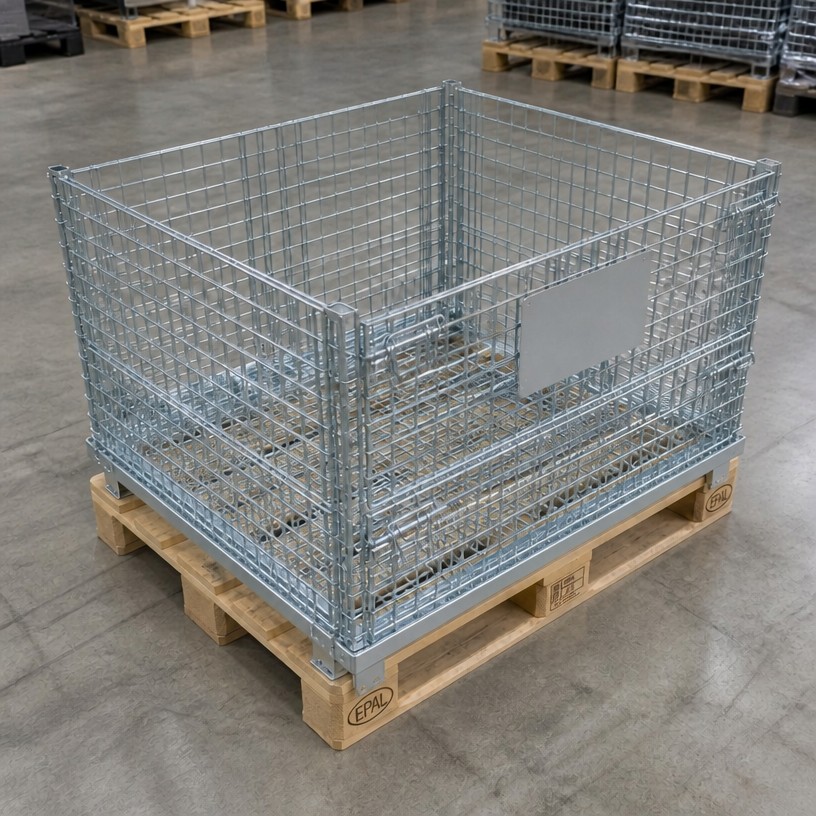
The landscape of warehousing and logistics has undergone a dramatic transformation over the last few decades. Gone are the days when heavy, opaque wooden crates and solid steel bins dominated the factory floor. As supply chains have become more complex and fast-paced, the need for storage solutions that offer both strength and visibility has become paramount. Industrial wire mesh storage cages represent a significant milestone in this evolution. Originally developed for basic transport, modern wire mesh cages are now sophisticated pieces of material handling equipment designed to integrate seamlessly into automated storage and retrieval systems (ASRS) and traditional racking setups alike.
部分 2: Key Benefits of Wire Mesh Cages
Visibility and Inventory Control
One of the most immediate advantages of using wire mesh is the ability to see the contents of a cage without opening it. This transparency simplifies inventory audits, reduces picking errors, and allows supervisors to monitor stock levels at a glance. In a busy warehouse environment, saving even a few seconds per item can lead to significant cumulative gains in productivity.
Fire Safety and Sprinkler Efficiency
Unlike solid-walled containers, wire mesh allows water from overhead sprinkler systems to pass through to the lower levels of a stack. This is a critical factor for fire safety compliance in many regions. By ensuring that water can reach a fire regardless of where it starts in the stack, wire mesh cages help mitigate risk and can often lead to lower insurance premiums for facility operators.
Space Optimization
Modern warehousing is expensive, and maximizing every square foot of floor space is essential. Wire mesh cages are designed to be stackable, often up to four or five units high when fully loaded. Their high strength-to-weight ratio ensures they can support significant loads while remaining light enough to be handled easily by standard forklifts.
部分 3: 技術規格
Material Quality
Quality storage cages are typically manufactured from high-tensile cold-drawn steel wire. The wire is spot-welded at every intersection to create a rigid, durable mesh. To prevent corrosion, especially in humid or refrigerated environments, the cages are finished with electro-galvanized zinc or a durable powder coating.
Load Capacity and Reinforcement
Depending on the gauge of the wire and the design of the base, industrial cages can handle loads ranging from 500kg to over 1,500kg. The base is often reinforced with U-shaped channel steel to provide extra stability and prevent sagging under heavy weights.
Mesh Sizes and Wire Gauges
Standard mesh patterns include 50x50mm, 50x100毫米, or 100x100mm. The choice of mesh size depends on the dimensions of the items being stored—smaller items require tighter mesh to prevent them from falling through. Common wire diameters range from 4.8mm to 6.2mm, balanced to provide maximum strength without unnecessary bulk.
部分 4: Foldable and Stackable Designs
One of the most versatile features of contemporary wire mesh cages is their foldability. When not in use, these cages can be collapsed into a flat profile, drastically reducing the space required for return shipping or empty storage. This “collapsible” feature is a game-changer for businesses with seasonal fluctuations in inventory. 另外, the specialized “腳” design allows for secure stacking, ensuring that the entire column remains stable even during minor floor vibrations.
部分 5: Applications in Material Handling
Wire mesh cages are utilized across a vast array of industries. In the automotive sector, they carry heavy metal parts and assemblies. In retail distribution, they are used for bulk sorting and transport of packaged goods. They are also common in the recycling industry for the collection of scrap metal and plastics, and in agriculture for the storage of harvested produce. Their versatility makes them a universal tool for modern material handling.
部分 6: Best Practices for Maintenance
To ensure a long service life, regular maintenance of wire mesh cages is recommended. Operators should inspect the cages for any broken welds or bent wires that could snag on products or injure staff. Moving parts, such as the hinges on drop-down gates, should be kept clean and occasionally lubricated. Finally, always adhere to the manufacturer’s rated load capacity; overloading is the primary cause of premature cage failure and safety incidents.